Design Trends Shaping Old Mission Peninsula Homes
July 16, 2026
July 16, 2026
Looking at homes on Old Mission Peninsula, one thing becomes clear fast: design matters differently here. You are not just buying or updating a house. You are shaping how a property connects to bay views, vineyard surroundings, changing seasons, and the kind of relaxed luxury that draws people to this part of Grand Traverse County in the first place. If you want to understand what buyers and homeowners are responding to right now, these trends will help you see what fits the peninsula best. Let’s dive in.
Old Mission Peninsula sits in a setting that naturally influences the way homes look and live. Grand Traverse County describes the area as a resort community with rolling hills, numerous lakes, and agricultural roots that include cherries and wine grapes. Michigan tourism also identifies Old Mission as part of Northern Michigan Wine Country, which helps explain why homes here often lean into a refined but relaxed style.
That local setting shapes expectations. Buyers are often drawn to homes that feel connected to the landscape, not separated from it. On Old Mission, that usually means design choices that highlight views, support outdoor living, and create comfort across both warm summers and cold northern winters.
One of the biggest design shifts today is a move away from simply wanting more square footage. Recent housing search data shows stronger interest in views, patios, yards, and flexible spaces that support everyday living. In a place like Old Mission Peninsula, that trend feels especially relevant.
Homes here tend to benefit from layouts that keep the main living level visually open. When walls and partitions interrupt sight lines, they can work against one of the peninsula’s biggest assets: the surrounding water and rolling landscape. A more open plan helps natural light travel farther and makes common spaces feel more connected.
This does not mean every room needs to be oversized or completely exposed. It means the layout should feel intentional, with living, dining, and kitchen areas arranged to support views and easy flow. Buyers often respond well to spaces that feel airy, usable, and centered on the setting outside.
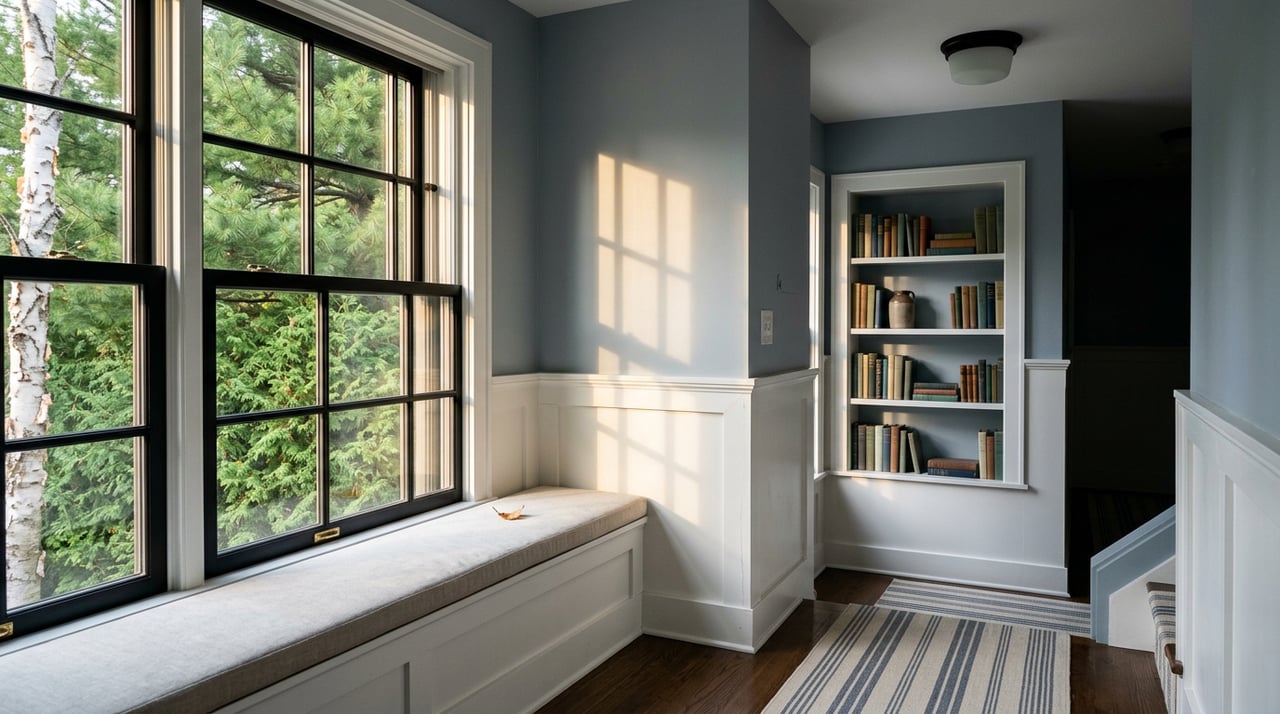
AIA’s 2025 survey found growing interest in expansive windows and skylights for daylighting. That aligns closely with what works on Old Mission, where light and scenery are major parts of the experience of being home. Glass is no longer just functional. It is a core design feature.
Well-placed windows can frame water views, pull in daylight, and help a home feel calm and spacious. For homeowners considering updates, this trend suggests that window design should be treated as part of the home’s overall strategy, not an afterthought.
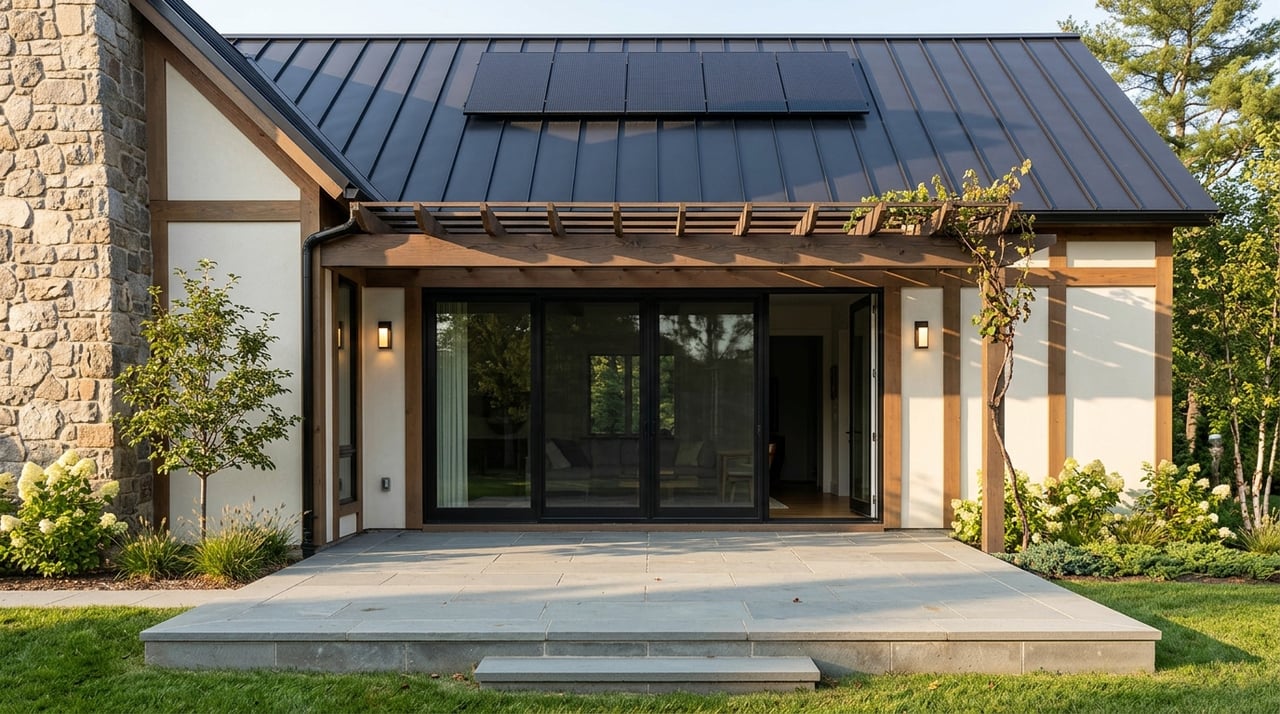
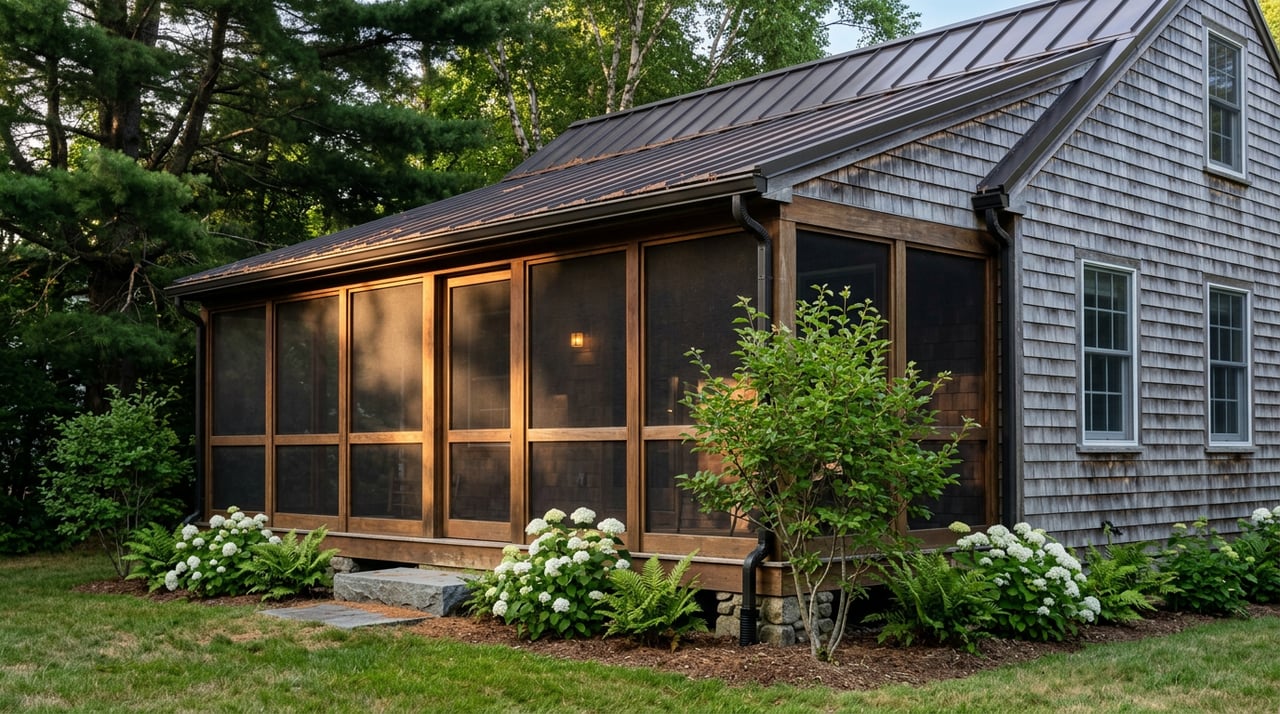
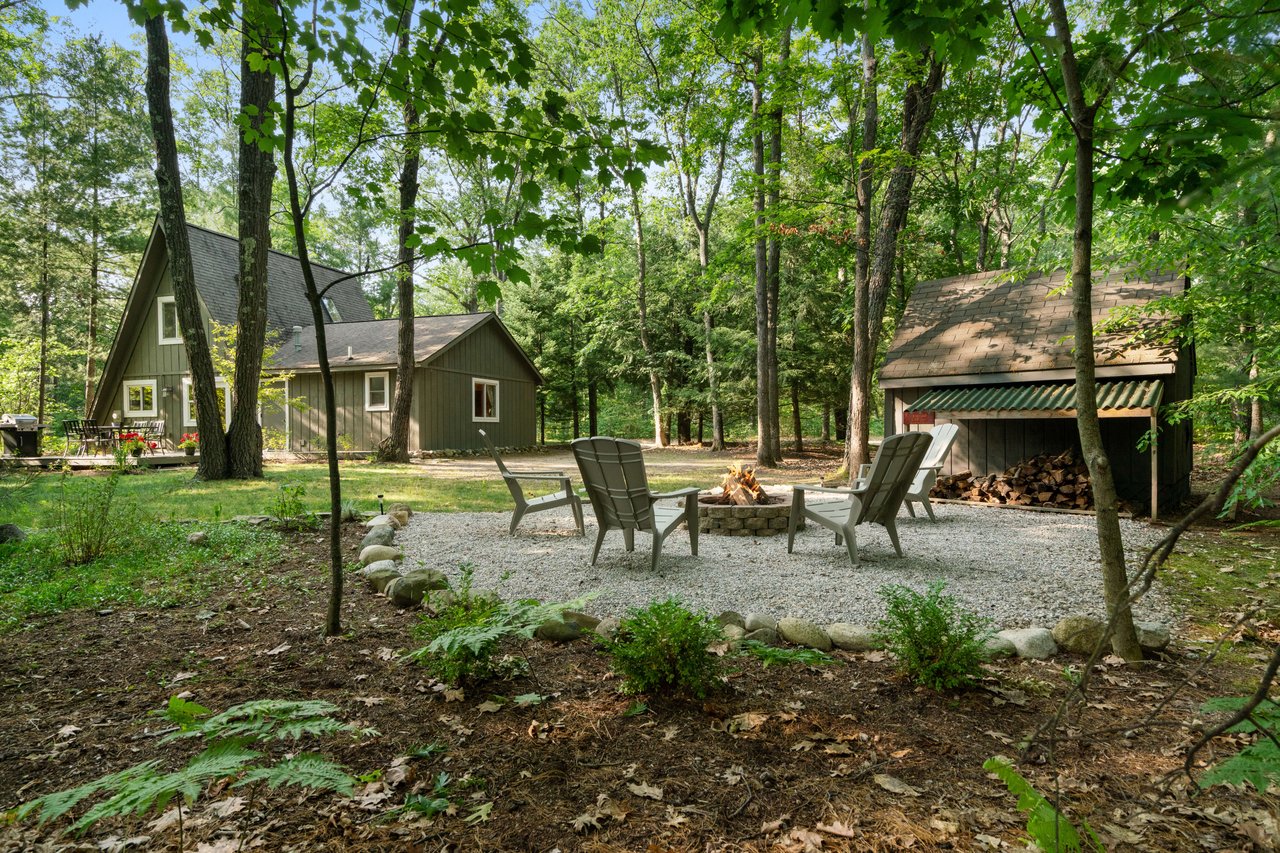
If there is one trend that feels especially suited to Old Mission Peninsula, it is indoor-outdoor living. AIA reported that outdoor living spaces and blended indoor-outdoor spaces continue to rank among the most popular exterior features. Zillow also found growing interest in patios, yards, and views.
On the peninsula, outdoor space is not just extra square footage. It is part of how you enjoy the property during the best months of the year and how you market its lifestyle value when it is time to sell.
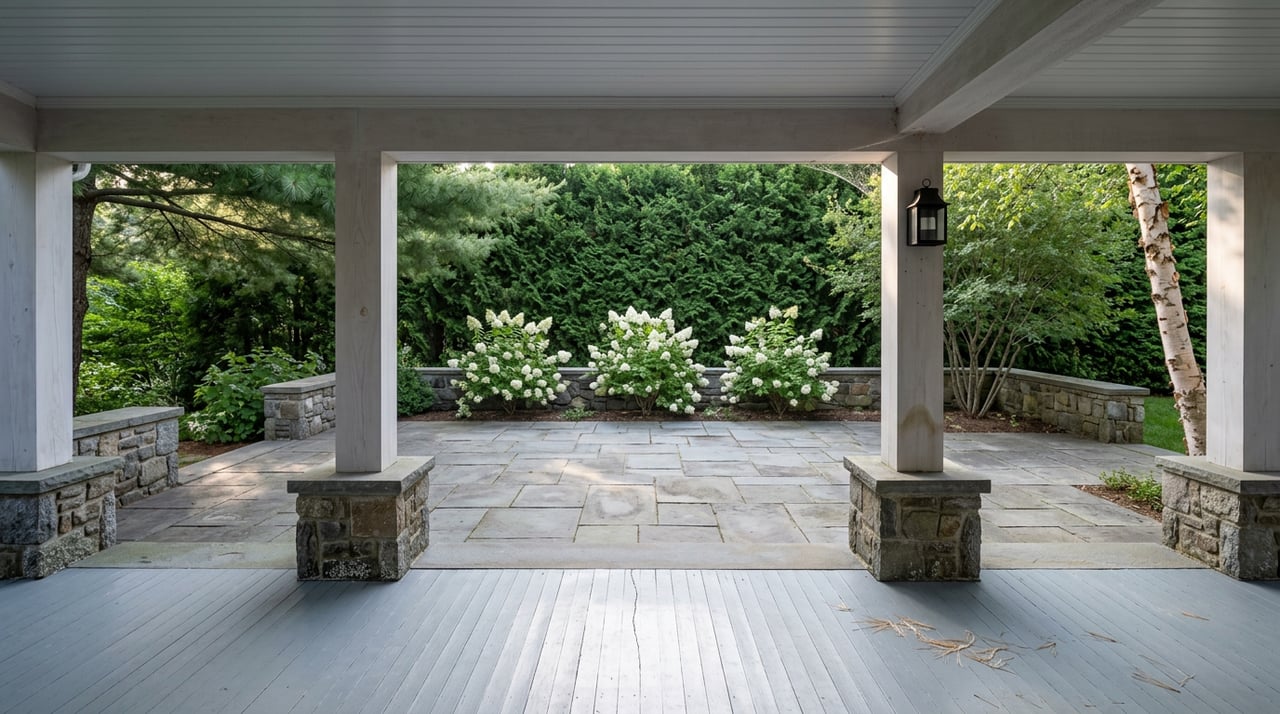
Outdoor areas work best when they feel integrated with the house. A patio or deck should not feel like an add-on that was dropped into place later. Instead, the most appealing spaces tend to connect smoothly to indoor gathering areas and support dining, relaxing, and entertaining.
This is one reason outdoor kitchens, seating zones, and durable hardscaping continue to get attention. Zillow research found that features like outdoor kitchens and bluestone patios can carry measurable resale premiums nationally, which adds weight to their appeal in a scenic resort-oriented market.
NAHB’s 2025 trend analysis points to biophilic design, including natural light, greenery, and organic materials that help homes feel more connected to nature. That concept fits Old Mission especially well. The goal is not to force a rustic look. It is to create a home that feels grounded in its setting.
That might show up through sliding or folding doors, covered outdoor lounges, or design choices that make interior and exterior spaces feel like part of one experience. When done well, the result feels polished, welcoming, and very in tune with the peninsula.
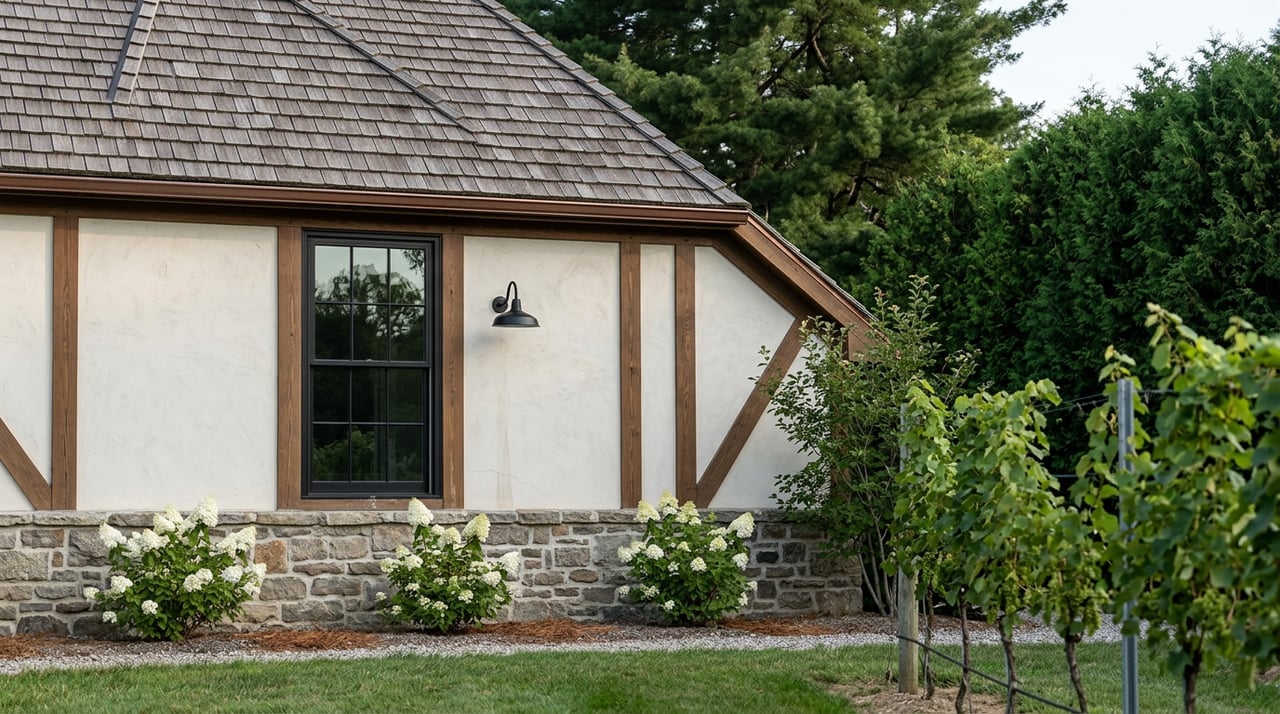
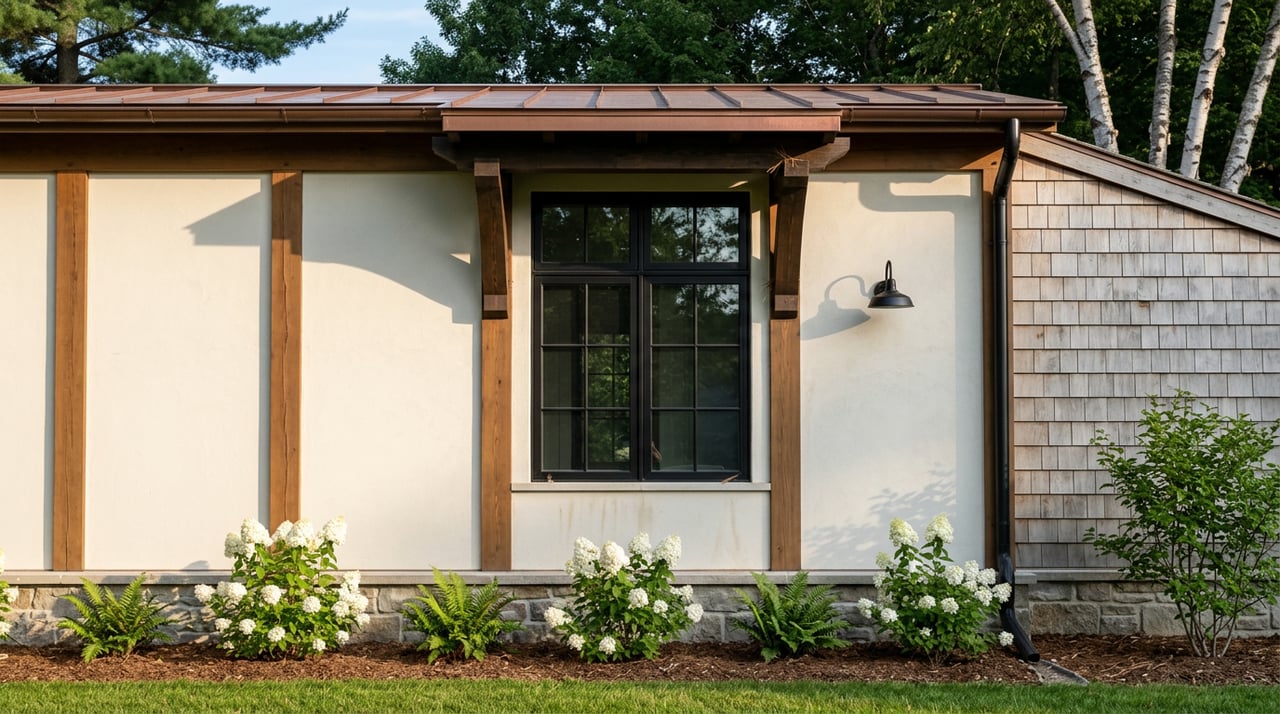
Old Mission’s vineyard character and resort setting help explain why natural, tactile materials feel so current here. Warm wood tones, stone surfaces, and textured finishes reflect the landscape without making a home feel overly themed. They create a sense of place that many buyers are already looking for.
Zillow found that nature-inspired finishes such as soapstone, white oak, and Venetian plaster can sell for as much as 3.5% more than expected nationally. While that is national data rather than a local pricing rule, it supports the broader point that organic materials are resonating with today’s buyers.
The peninsula’s identity as a wine-growing region makes certain materials feel especially natural here. Wood cabinetry, stone counters or accents, plaster-like wall texture, and layered neutral finishes can all contribute to a calm, collected look. These choices often feel elevated without feeling formal.
That balance matters. Old Mission homes often perform best when they feel luxurious but still approachable. A polished wine-country aesthetic can help bridge that gap.
The strongest design choices usually age well because they rely on texture and material quality, not short-term novelty. Instead of chasing highly specific looks, many homeowners are leaning toward finishes that feel timeless and regionally appropriate. On Old Mission, that often means surfaces that echo the natural colors and textures outside.
In Northern Michigan, beauty alone is not enough. Traverse City’s NOAA 1991 to 2020 climate normals show an annual mean temperature of 46.9°F, with January and February average temperatures of 23.1°F and 23.8°F. That means a home on Old Mission needs to feel like a summer retreat while still performing well during a cold winter.
That is why energy-efficient updates belong in the luxury conversation here. They improve comfort, help support year-round use, and often make a property feel more complete and better maintained.
Large windows are popular, but in a cold climate they need to do more than capture views. ENERGY STAR notes that windows, doors, and skylights should be selected using climate-specific performance data, and the U.S. Department of Energy says efficient fenestration helps reduce heating and cooling loads.
For Old Mission homes, that makes high-performance glazing, better sealing, and climate-appropriate window choices especially important. These updates may not always be the flashiest part of a renovation, but they can improve comfort in a very noticeable way.
A tighter building envelope can help reduce drafts and energy waste while making the home feel more stable through the seasons. That matters in a market where buyers may expect to use a home beyond peak summer months. Comfort during spring, fall, and winter can shape how premium a property feels.
In practical terms, efficiency upgrades often support the same lifestyle goals as aesthetic ones. A bright, view-filled home is far more enjoyable when it also feels warm, quiet, and well protected from the elements.
ENERGY STAR says certified air-source heat pumps are tested down to 5°F for cold-climate performance and can continue working below freezing, sometimes with backup heat or in dual-fuel systems. That makes them relevant in northern markets where performance matters. They fit well with the broader push toward comfort-focused efficiency.
AIA’s 2025 survey also reported increased interest in radiant heated floors. For Old Mission homes, features like these support a kind of low-key luxury that buyers can feel immediately, even if they are not the first things they notice visually.
Another trend shaping home design is the demand for flexible floor plans. Buyers increasingly want spaces that can adapt to changing needs, whether that means hosting guests, creating a quiet work area, or supporting seasonal living patterns. On Old Mission, flexibility adds value because many homes serve multiple purposes over time.
A bonus room, den, lower-level lounge, or guest space can be more useful than a rigid formal room with limited everyday function. The best layouts tend to make the home feel both comfortable and versatile without sacrificing openness.
Design trends matter most when they improve the way a home lives today and the way it is perceived tomorrow. On Old Mission Peninsula, the strongest design direction is fairly clear: buyers are responding to homes that feel like landscape-facing retreats rather than closed-off showpieces. That includes better views, stronger indoor-outdoor flow, natural materials, and comfort-driven upgrades.
For sellers, this can shape renovation priorities. A well-planned update that highlights the property’s setting and supports shoulder-season comfort may feel more market-aware than a purely cosmetic remodel. For buyers, it offers a useful filter for spotting which homes are aligned with the peninsula’s long-term appeal.
In a resort-oriented market with vineyard scenery, waterfront influence, and a cold-weather climate, thoughtful design can do more than look good. It can support enjoyment, protect value, and help a property stand out for the right reasons.
If you are thinking about buying, selling, or positioning a home on Old Mission Peninsula, design should be part of the strategy. The right choices can shape not only how a property feels, but also how it performs in a competitive Northern Michigan market. To talk through market positioning, property value, or next-step strategy, connect with Lobenherz Real Estate Group.
Stay up to date on the latest real estate trends.
203 Bridge St Charlevoix MI 49720