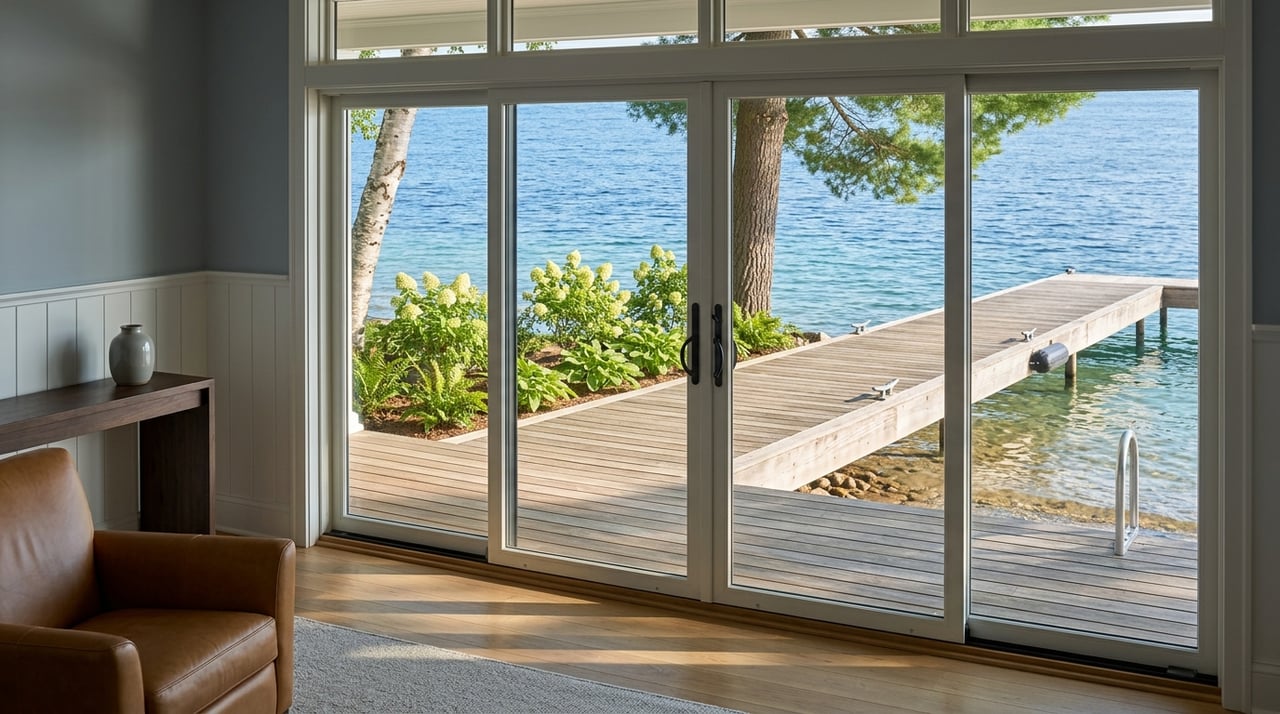
Your Guide to the Torch Lake Boating Lifestyle
April 16, 2026
April 16, 2026
If you love the idea of stepping from your home to open water, Torch Lake is hard to ignore. This is not a small, easygoing cottage pond. It is a large, deep inland lake with a big-water feel, active boating zones, and access points that can shape your day-to-day experience on the water. If you are thinking about buying here, understanding how boating works on Torch Lake can help you choose the right frontage and avoid costly surprises. Let’s dive in.
Torch Lake stands out because of its size, depth, and water clarity. According to a Michigan DNR fisheries report, Torch Lake is Michigan’s second-largest inland lake at 18,770 acres, with a maximum depth of 285 feet and an average depth of 111 feet. The same report notes that only about 10% of the lake is shallower than 15 feet.
That matters if you are a boater. A lake this deep can offer impressive cruising conditions, but shoreline depth can still vary a lot from one property to the next. Torch Lake is also known for strikingly clear water, and the Torch Conservation Center notes visibility can exceed 30 feet, though clarity may change with runoff, storms, algal blooms, and sediment stirred by boats.
For many boaters, the south-end sandbar is the best-known destination on Torch Lake. The Torch Conservation Center explains that the old Rapid River pushed sand north to form the sandbar along the lake’s south shore.
If you plan to spend time there, it helps to know the local expectations. Boaters are advised to idle at no-wake speed, avoid damaging shallow sandy areas with props and anchor lines, respect private property, use public access points for entry and exit, and avoid overnight mooring. In a place this popular, courtesy and lake stewardship go a long way.
Torch Lake is not just about open-water cruising. The Torch Lake Boating Trail highlights strong currents at the Clam River mouth and the Torch River outlet, which can affect how you navigate certain sections of the lake.
For buyers, these more active boating nodes can influence what living nearby feels like. Areas near river mouths, popular boating landmarks, and launch zones may see more movement, more sound, and more wake during the season. If you prefer a quieter waterfront setting, that is an important factor to weigh before you buy.
Torch Lake’s beauty does not remove the need for careful operation. The Torch Lake Boating Trail states that boaters should stay 100 feet away from any person in the water, buoys, other boats, rafts, docks, and stand-up paddleboards.
That kind of spacing matters on a busy summer lake. It helps protect swimmers, paddlers, and other boaters while also reducing unnecessary shoreline disturbance. On Torch Lake, safe boating is part of protecting the experience that draws people here in the first place.
One of the biggest practical points for buyers and visiting boaters is that public access is limited to a handful of sites rather than being evenly spread around the shoreline. The Torch Conservation Center emphasizes that inland-lake shoreland and bottomlands are private property, so public access points should be used for entering and exiting the lake.
Commonly referenced access points include Alden Harbor and MDNR launch sites at the north and south ends of the lake. If you are evaluating a home that does not have ideal docking conditions, nearby public launch access can become a major quality-of-life detail.
On the northwest shore, Torch Lake Township Day Park offers one of the clearest local references for a motorboat launch. The township states that trailer parking costs $20 per trailer, and the park includes 52 parking spaces plus 2 handicap spaces. It also offers public bathrooms and picnic facilities.
One important note is that this launch does not allow kayaks, canoes, or stand-up boards. If your household uses a mix of watercraft, that detail may shape which access points make the most sense for you.
The Michigan DNR describes the Torch River Bridge Boating Access Site at the south end of the lake, where redevelopment included a new launch, skid pier, two launch lanes, a carry-down launch for paddlers, and additional parking. The DNR also identifies Eastport Boating Access Site as another Torch Lake option.
If you use a DNR-managed launch, the state requires a Recreation Passport for vehicle entry at state parks and DNR-managed boating access sites. That is a small but important ownership detail if you plan to launch often.
If you want support beyond public launches, local marina services can make ownership easier. The DNR’s access update notes that Butch’s, located on the east shore, offers rentals, fuel, food, and direct launch access. It also notes that Sun Life’s Torch River Marina offers wet slips, dry stack storage, PWC slips, rentals, and service with direct access to the sandbar.
For some buyers, nearby marina support can be just as important as private frontage. If you own a larger boat, want service close at hand, or prefer the flexibility of storage options, marina proximity may meaningfully affect which part of the lake fits your lifestyle.
One of Torch Lake’s biggest advantages is that it is part of something much larger. The Michigan DNR’s Chain of Lakes Water Trail overview describes a 100-plus-mile network that spans four counties, includes 84 access sites, and connects 12 lakes and rivers.
For boaters, that means Torch Lake is not an isolated destination. Through the broader chain, the system eventually flows toward East Grand Traverse Bay. That kind of connectivity can add real appeal if you want variety in your boating experience or if you are buying with long-term lifestyle value in mind.
A beautiful shoreline view is only part of the story on Torch Lake. If boating is central to how you plan to use the property, the practical details deserve just as much attention.
Here are a few items worth checking closely:
In short, the best Torch Lake boating property for you depends on how you use the lake. Some buyers want quick access to the sandbar and the broader chain. Others want a quieter stretch of shoreline with more visual buffering and less seasonal activity.
Torch Lake can offer very different day-to-day experiences depending on where you buy. A property near a launch, river outlet, or the south-end social zones may suit buyers who want energy, convenience, and easy access to popular boating destinations.
A more buffered shoreline may appeal if you prioritize privacy and a calmer waterfront setting. Neither choice is automatically better. The key is matching the property to your boating habits, your tolerance for seasonal traffic, and the kind of lake experience you want to create.
If you are weighing Torch Lake property through both a lifestyle and long-term value lens, local guidance matters. Lobenherz Real Estate Group can help you evaluate frontage, access, and ownership considerations so you can make a confident decision.
Stay up to date on the latest real estate trends.
203 Bridge St Charlevoix MI 49720