Ever wonder if a Boyne vacation place can cover part of its own costs while you enjoy lake days and ski weekends? You are not alone. Many buyers want a second home in Boyne City that also produces short-term rental income, but the math can feel murky. In this guide, you will see real market benchmarks, learn how seasonality works here, and get a simple underwriting process you can use before you write an offer. Let’s dive in.
Why Boyne ROI is different
Boyne is a true two-season resort market. Winter demand revolves around the Boyne Mountain resort, including skiing and year-round amenities. That base-area draw fuels steady weekend traffic for condos and homes within a short drive of the lifts. See the resort’s scale on the official Boyne Mountain stats page.
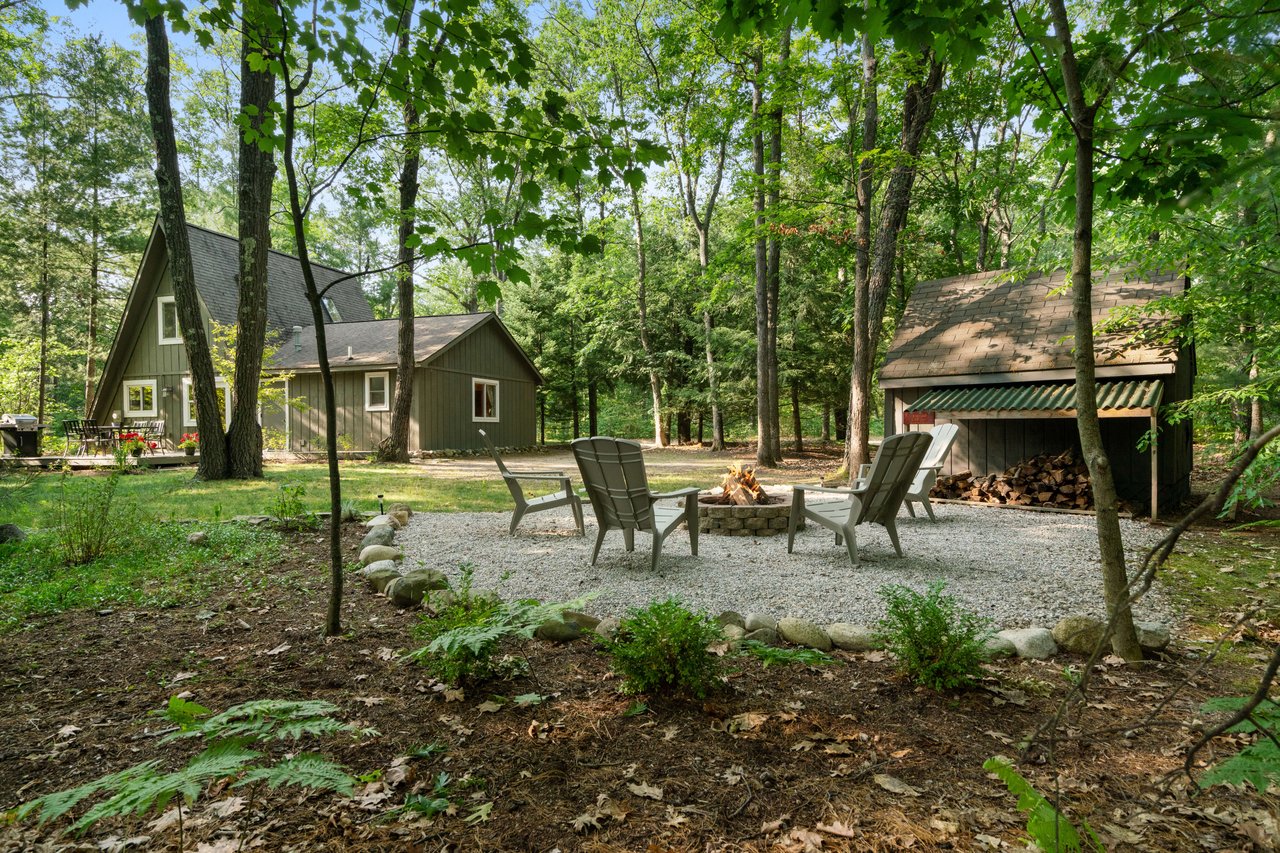
Summer flips the script. Lake Charlevoix becomes the anchor with boating, marinas, beaches and festivals. That combination of resort access plus lake proximity is what gives Boyne City and the nearby Boyne Mountain corridor their unique, dual-peak rental profile. The city’s planning materials underscore the role of water access and recreation in local tourism and land use. Review the Boyne City plans and initiatives summary for context.
The implication for you: nightly rates can be strong, but you should expect material month-to-month swings rather than uniform income across the year.
Market snapshot: quick numbers
Market averages offer a helpful starting point before you dig into property-specific comps.
- AirDNA’s Boyne City market shows about 45% average annual occupancy, ADR around $429, average annual revenue near $31.7K, and RevPAR about $189. Use these as benchmarks, then refine with comps that match your property type and amenities. Explore the AirDNA Boyne City overview.
- For price context, Boyne City’s 49712 zip has shown median listing prices in the mid-$300k range in recent snapshots. See current trends on Realtor.com’s 49712 overview.
These are market-level figures, not guarantees. Strong performance depends on factors like lake access, distance to the lifts, bedroom count, parking, and guest-ready design.
Seasonality and booking patterns
Think “twin peaks.” Summer lake demand and winter ski demand drive your calendar, with notably softer shoulder seasons in spring and late fall.
- Peak months can reach roughly 60% to 70% occupancy for many listings, while low months can drop below 25%. The mix varies by property type and micro-location. AirDNA’s monthly charts for Boyne show these swings clearly for different listing sizes and segments. Check the market overview when you evaluate a specific address.
- Property type matters. Entire homes and lakefront houses often capture higher ADRs but may book in week-long or weekend blocks. Smaller condos close to Boyne Mountain can achieve steadier occupancy from weekend skiers and off-peak visits.
Pricing tip: Use local event weekends, school breaks and holidays to set premium rates with slightly longer minimum stays. This helps lift average revenue without over-relying on deep discounts in the shoulder seasons.
Underwrite it step by step
Here is a simple, practical framework you can follow before you buy.
- Pull direct comps
- Gather 6 to 12 active and historical STR comps with the same bedroom count and similar amenity profile. Keep categories consistent, such as lake access vs. ski-adjacent. Start with AirDNA and platform listings. See the AirDNA Boyne City overview.
- Set two revenue cases
- Base case: use market ADR and occupancy that fit your comp set and monthly curve.
- Conservative case: trim ADR and occupancy by 10% to 20% to stress test.
- Calculate Gross Potential Revenue (GPR)
- Market anchor method: start from the AirDNA average annual revenue per listing of about $31.7K, then adjust up or down for size, finish level and location.
- Nightly model: ADR multiplied by total booked nights across the year. Use monthly seasonality, not a flat annual rate.
- Subtract operating costs and taxes
- Model each line item separately: management, platform fees, cleaning, utilities, insurance, HOA dues, supplies, maintenance, capital reserves and property taxes.
- Evaluate returns
- Net Operating Income (NOI) equals gross revenue minus operating costs and property taxes. Then calculate a cap-rate proxy (NOI divided by purchase price) and your cash-on-cash projection using expected mortgage terms.
What to expect in expenses
Plan conservatively. Vacation rentals have higher turnover and more guest touchpoints than long-term rentals.
- Management: Full-service STR management often ranges from about 15% to 35% of gross revenue, depending on scope and market. Review common fee structures here: typical STR management fees.
- Platform and processing: Budget for platform commissions and payment fees. Rates vary by host model.
- Cleaning and turnover: Per-stay cleaning is usually guest-paid, but you should still budget for deep cleans and restocking.
- Utilities and supplies: Plan for year-round utilities. Northern Michigan winters can raise heating costs.
- Insurance: STR policies or endorsements cost more than standard homeowner policies. Get quotes before you underwrite.
- Property taxes: Use the local assessor or effective rate references. Charlevoix County’s effective rates often come in below 1% in many sources. As a quick placeholder, a mid-$300k purchase could imply roughly $3k to $4k per year in property taxes. Cross-check at Property-Tax.net’s Charlevoix page and confirm with the assessor for your parcel.
- HOA and condo dues: Review covenants, conditions and restrictions. Some associations limit STRs or set minimum stay rules that affect occupancy.
- Maintenance and capital reserves: Plan 5% to 10% of gross revenue for reserves, adjusting for age, systems, and lake or rural infrastructure like wells and septic.
Boyne City rules and taxes that shape ROI
Boyne City operates a short-term rental licensing program with defined requirements. If your strategy includes STR income, confirm the rules for the subject property before you buy.
- Licensing and local agent: The city’s STR page outlines requirements, safety checks and enforcement. Start with the Boyne City STR information page.
- Caps in certain districts: The city commission has limited the total number of STRs in the Traditional Residential District. See reporting on the adopted cap in this Boyne City STR cap article. Confirm current status with the city, because caps and counts can change.
- Fees: Budget for application or renewal fees. The city’s fee schedule shows a Short Term Rental license fee of $300 for FY 2024–25. Verify details in the current fee schedule.
- Taxes and remittance: Michigan treats short-term lodging as taxable. Platforms may collect and remit some taxes, but you remain responsible for compliance and registration where required. Review state guidance at Lodge Compliance’s Michigan overview and confirm local requirements with the city or county.
Practical steps for buyers
- Confirm zoning, license requirements and whether an existing license transfers on sale. See the city page for process details: Boyne City STR information.
- Ask the seller for any current license, compliance history and documentation of past violations, if any.
- Verify whether the platform or host remits required taxes, and whether you need to register for state or local accounts.
Risks to model early
- Regulatory risk: Licensing caps, renewals and enforcement can change supply and operating assumptions. Build time and cost for compliance into your pro forma.
- Seasonality risk: Cash flow concentrates in peak months. Model debt service against a conservative winter or spring scenario.
- Turnover and wear: High guest turnover can raise cleaning, linen and replacement costs.
- Local tax changes: New or adjusted accommodation taxes can affect net income. Monitor city agendas and county or state notices.
A quick revenue example
Use this simple example to see how each input moves your final number. This is not a prediction. It is a starting point that uses Boyne City’s market average revenue as an anchor.
Assumptions
- Property type: standard STR comparable within 49712 or nearby Boyne Mountain corridor
- Market anchor: AirDNA Boyne City average annual revenue ≈ $31,700
- Management: 20% of gross
- Platform and payment: 3% of gross
- Operating (cleaning, utilities, insurance, routine maintenance): 30% of gross
- Property tax: $3,500 placeholder, verify with assessor
Illustrative P&L (before mortgage)
- Gross revenue: $31,700
- Management, 20%: −$6,340
- Platform/processing, 3%: −$951
- Operating, 30%: −$9,510
- Property tax: −$3,500
- Estimated NOI: about $10k to $12k per year
If you purchased at $350,000, that NOI implies a cap-rate proxy near 3.4%. Small changes to occupancy, ADR, management fees or tax lines move your return meaningfully. This is why you should run a conservative scenario that trims ADR and occupancy by 10% to 20% and then test your monthly mortgage coverage in slower months.
Where Boyne properties often shine
- Ski access or quick-lift proximity attracts reliable winter and shoulder-season weekend stays. Explore the scale of the resort on Boyne Mountain’s stats page.
- Lake Charlevoix frontage, views or quick marina access can command premium summer ADRs. Local planning materials reflect the impact of the lake on tourism and community programming. See the Boyne City plans and initiatives summary.
If you can combine convenient ski access with quality summer appeal, you expand your booking windows and reduce off-season gaps.
How to move from interest to action
- Get property-specific monthly comps: pull an AirDNA monthly chart for your exact bedroom count and segment. Start here: AirDNA Boyne City overview. Note: double-check the link, you should navigate directly to Boyne City within AirDNA.
- Verify the rules early: confirm zoning, licensing and district caps with the city. Start with the Boyne City STR page and call staff with parcel questions.
- Price the operating line items: get two management quotes, a written cleaning rate, insurance quotes, utility averages and HOA dues. Use typical STR management fee ranges as context while you collect local numbers.
- Stress test your cash flow: subtract your personal use days before you calculate occupancy, then run conservative ADR and occupancy for at least 12 months.
Ready to evaluate a specific home in 49712 or near Boyne Mountain with a disciplined, investment-minded process? Reach out to the multigenerational team that pairs local stewardship with Berkshire Hathaway HomeServices reach. Lobenherz Real Estate Group can help you align lifestyle goals with a clear rental strategy. Request a complimentary strategy and valuation.
FAQs
What are typical vacation-rental averages in Boyne City?
- AirDNA shows about 45% annual occupancy, an ADR near $429, average annual revenue around $31.7K, and RevPAR near $189 for the Boyne City market. Use these as benchmarks while you refine property-specific comps.
How do Boyne City’s STR caps affect a new buyer in 49712?
- Some districts have a cap on the number of licensed STRs, and all STRs require licensing. You should confirm zoning, license status and whether a cap is currently full before you close.
When are the peak booking seasons for Boyne short-term rentals?
- Peak months cluster in summer for lake demand and in winter for skiing. Many listings can reach about 60% to 70% occupancy in peak windows, with shoulder months sometimes below 25%.
What expenses do owners most often underestimate in Boyne?
- Management fees, deep-clean cycles, winter utilities, STR-specific insurance and maintenance reserves. Property taxes and HOA dues are also easy to overlook during underwriting.
How should you account for personal use in your ROI math?
- Subtract your planned personal nights from available nights before you apply occupancy. Personal use reduces revenue unless the property’s premium fundamentals also drive strong long-term resale.