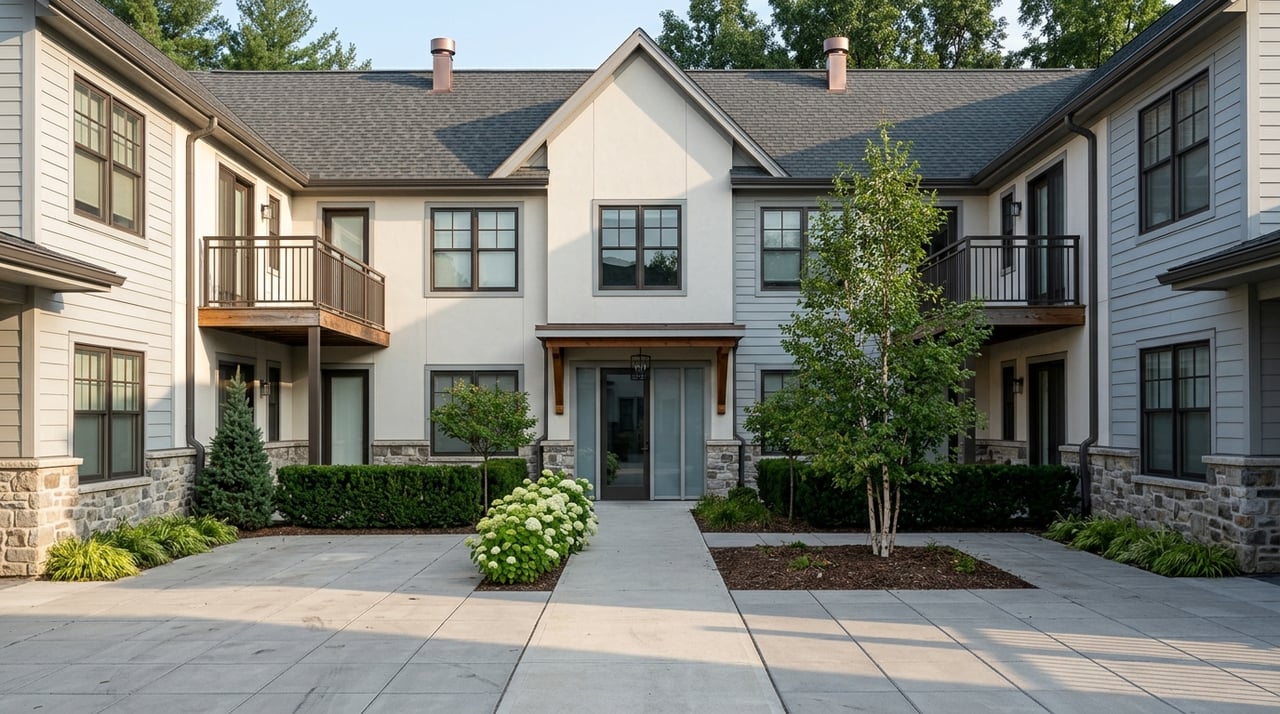
Traverse City Condos Or Cottages For Your Second Home
May 14, 2026
May 14, 2026
A second home in Traverse City can look very different depending on how you plan to use it. You may picture a downtown condo where you can lock the door and head out for the weekend, or a detached cottage with more privacy and outdoor space. Both can work well, but the better fit usually comes down to maintenance, rental rules, and how much control you want over the property. If you are weighing condos versus cottages in Central and greater Traverse City, here is what to consider before you buy. Let’s dive in.
Traverse City offers a mix of downtown convenience and classic Northern Michigan second-home appeal. The city sits on East and West Grand Traverse Bays, and the downtown core includes a social district, public parking, more than 200 locally owned businesses, and over 50 restaurants.
That setting makes the condo versus cottage decision especially important. A downtown unit may support quick weekend stays and easy walkable access, while a cottage in or near areas like Old Towne, Slabtown, Boardman, Central, or the Midtown Centre Condominium Neighborhood may offer a different ownership experience tied more closely to lot, layout, and privacy.
Market context also matters. Recent data shows about 529 homes on the market in Traverse City, with a median listing price of $462,500 and a median 60 days on market. In Grand Traverse County, the median sale price was $420,000 in March 2026, up 3% year over year.
For many second-home buyers, the biggest appeal of a condo is convenience. If you want a low-maintenance home base for frequent short stays, a condo can make ownership feel simpler.
Downtown Traverse City supports that lifestyle well. With parking, restaurants, and a dense commercial core close by, a condo can work well if you want to arrive Friday, enjoy the weekend, and leave without a long to-do list.
In Michigan, condo ownership is shaped by the master deed, bylaws, and related condominium documents. Those documents define co-owner rights and obligations, and each co-owner, tenant, or other occupant must follow them.
That matters more than many buyers expect. A condo may reduce your day-to-day upkeep, but it also means shared expenses, shared decision-making, and less individual control over how the property is used.
Common expenses are assessed to co-owners, and Michigan law states that owners cannot avoid those charges simply because they do not use common elements. For a second-home buyer, that means you should view dues and assessments as part of the true cost of ownership, not as an occasional extra.
If your goal is predictable ownership with less exterior maintenance, that tradeoff may still make sense. You are often exchanging autonomy for convenience.
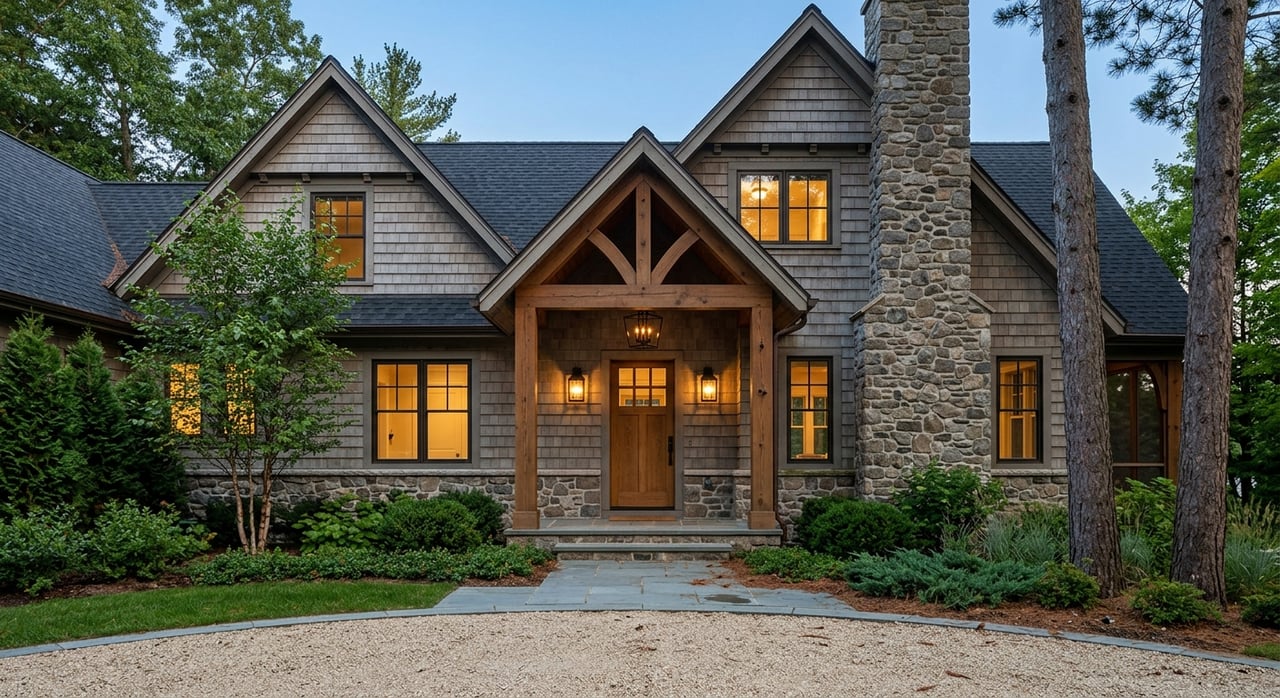
A cottage often appeals to buyers who want a more traditional Northern Michigan second-home feel. If you value privacy, yard space, and more freedom in how you use the property, a detached home may be the better match.
Unlike a condo, a cottage does not come with the same co-owner structure. That usually means more direct control over the property and fewer association-level restrictions, though it also puts more responsibility on you.
With a detached property, you typically handle more of the maintenance, seasonal preparation, and larger repairs yourself. That can include exterior upkeep, landscaping, weather-related issues, and management while you are away.
For some buyers, that is a worthwhile trade. You may gain flexibility and outdoor space, but you should plan for a more hands-on ownership experience.
From a resale standpoint, cottages tend to be more tied to the parcel and micro-location. In other words, the lot, privacy, setting, and location can shape value in a different way than a condo building’s rules, operations, and shared condition.
That does not make cottages better than condos. It simply means the value story is often different.
If you are hoping to rent the property part-time, property type alone will not answer the question. In Traverse City, zoning and licensing can matter just as much as whether you buy a condo or a cottage.
The city defines a vacation home rental as a commercial use of a dwelling rented for less than 30 consecutive days. Operating one requires an owner-held city license.
According to the city’s published information:
The city also notes that its online ordinance portal may not reflect the most current legislation. That means you should verify current zoning status before assuming any property qualifies for short-term rental use.
Traverse City regulates vacation home rentals by zoning district, not just by building type. For example, in C-1 districts, vacation home rentals are limited to parcels with at least two dwellings and capped at the greater of one unit or 25% of the dwellings on the parcel. In C-4 districts, vacation home rentals are excluded on the first floor.
This is a key point for second-home buyers. A condo is not automatically rental-friendly just because it is a condo, and a cottage is not automatically rentable just because it is detached.
Even if city zoning allows the use, condo buyers still need to review the governing documents carefully. Michigan law requires co-owners, tenants, and other occupants to comply with the master deed, bylaws, and rules.
So if part-time rental income is part of your decision, you need to confirm both layers. The city may allow a use that the condo association does not.
Outside Traverse City limits, the rules can change quickly. East Bay Township, for example, requires a short-term rental license before advertising or renting, caps licenses at 145, and reports that the cap has already been reached.
For a cottage near Traverse City, that jurisdictional difference can be a major factor. Two homes with a similar look and price point may have very different rental potential based only on location and local rules.
Many second-home buyers focus on price, dues, and maintenance first. Those items matter, but taxes deserve just as much attention.
In Michigan, the principal residence exemption applies only to an owner’s principal residence and shields that property from local school operating millage up to 18 mills. Seasonal homes and second homes generally do not qualify.
That means you should not underwrite a Traverse City second home the same way you would a primary residence. Whether you choose a condo or cottage, make sure your ownership budget reflects second-home tax treatment.
The right answer usually starts with how you plan to use the home. Your ideal property may be less about labels and more about your real habits, priorities, and tolerance for complexity.
If part-time rentals are part of your strategy, confirm these items before you move forward:
This step can protect you from buying a property that fits your lifestyle but not your intended use.
In Traverse City, condos and cottages each offer real advantages. Condos often make sense for buyers who want ease, access, and a lock-and-leave lifestyle. Cottages often appeal to buyers who want privacy, space, and more control over how the property lives.
The best choice is usually the one that matches your actual use plan, not just the one that looks best in photos. When you weigh ownership structure, local zoning, rental rules, and second-home tax treatment together, you can make a more confident decision and avoid costly surprises later.
If you are comparing condos, cottages, or other second-home opportunities in Traverse City and across Northern Michigan, Lobenherz Real Estate Group can help you evaluate the property, the use case, and the long-term strategy with a clear, local perspective.
Stay up to date on the latest real estate trends.
203 Bridge St Charlevoix MI 49720