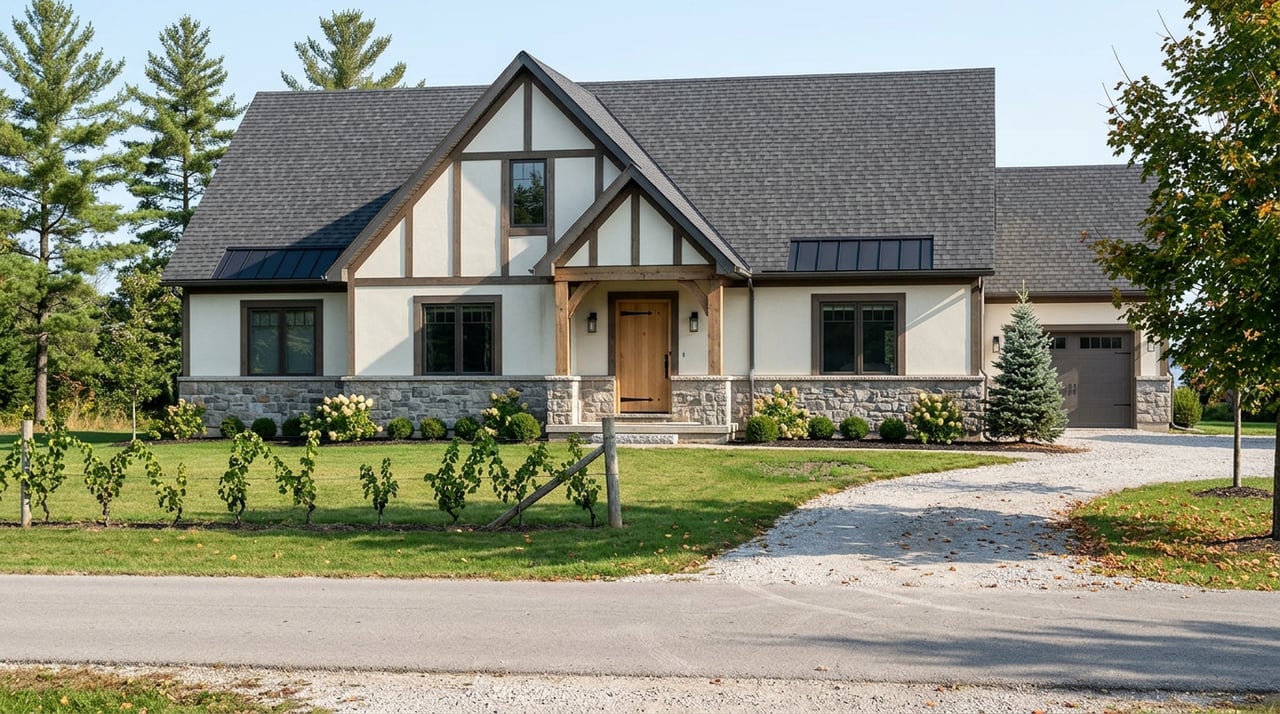
Your Guide to Old Mission Peninsula Living in 49686
March 5, 2026
March 5, 2026
If you picture waking to sunrise over East Bay, vineyards on the hills, and water on both sides of a winding shoreline road, Old Mission Peninsula might be your place. You want a real sense of community, not just a summer scene, and you also care about the practical side of living there. In this guide, you’ll learn what daily life feels like, how the housing market works, what to expect in each season, and the key details to check before you buy. Let’s dive in.
Old Mission Peninsula is the narrow, 19‑mile ribbon of land that reaches into Grand Traverse Bay from Traverse City. The area is an officially designated American Viticultural Area, and the federal description follows the length of the peninsula. You can review the AVA boundary language in the Code of Federal Regulations for added context on the geography and wine identity of the area.
Vineyards and tasting rooms define the landscape. Along Center Road and Peninsula Drive, you’ll find a cluster of wineries highlighted by the year‑round listings on the Old Mission Peninsula Wine Trail. Ridgelines with bay views and lake‑moderated breezes create a cool‑climate growing environment that shapes both the scenery and the local economy.
Another major part of the peninsula’s character is farmland preservation. Peninsula Township pioneered a Purchase‑of‑Development‑Rights program in the 1990s, and voters have renewed it to keep agricultural land in production and protect rural views. If you are buying acreage, know that a conservation easement runs with the deed. You can learn more about the PDR background and its long‑term impact through this local overview of the Purchase‑of‑Development‑Rights program.
Tourism and agritourism are strong, but Old Mission is more than a weekend destination. Peninsula Township remains a small, stable residential area with a high share of owner‑occupied homes and an older population profile. According to Census QuickFacts, owner‑occupied housing sits near 84 percent, with a median owner‑occupied home value around $598,400. See the township snapshot on Census QuickFacts for context.
Local institutions also support year‑round life. A community‑based elementary school operates on the peninsula, and neighborhood events and small markets give the area a lived‑in feel even in the quieter months. Daily shopping, specialty dining, and medical clusters are more robust in Traverse City, which is a short drive from most peninsula addresses.
In warm months, tasting rooms and scenic overlooks attract steady weekend traffic. Expect a lively pace near wineries from late spring through fall, with quick pull‑offs and parking at popular views. On weekdays and in the shoulder seasons, you’ll find a calmer rhythm of vineyard work, roadside farm stands, and residents commuting to town.
For everyday errands, you will likely head into Traverse City for the full range of groceries, services, and dining. Commute times vary by where you live on the peninsula, but a practical rule of thumb is this:
Summer weekends and event days can add delay, so plan your timing accordingly.
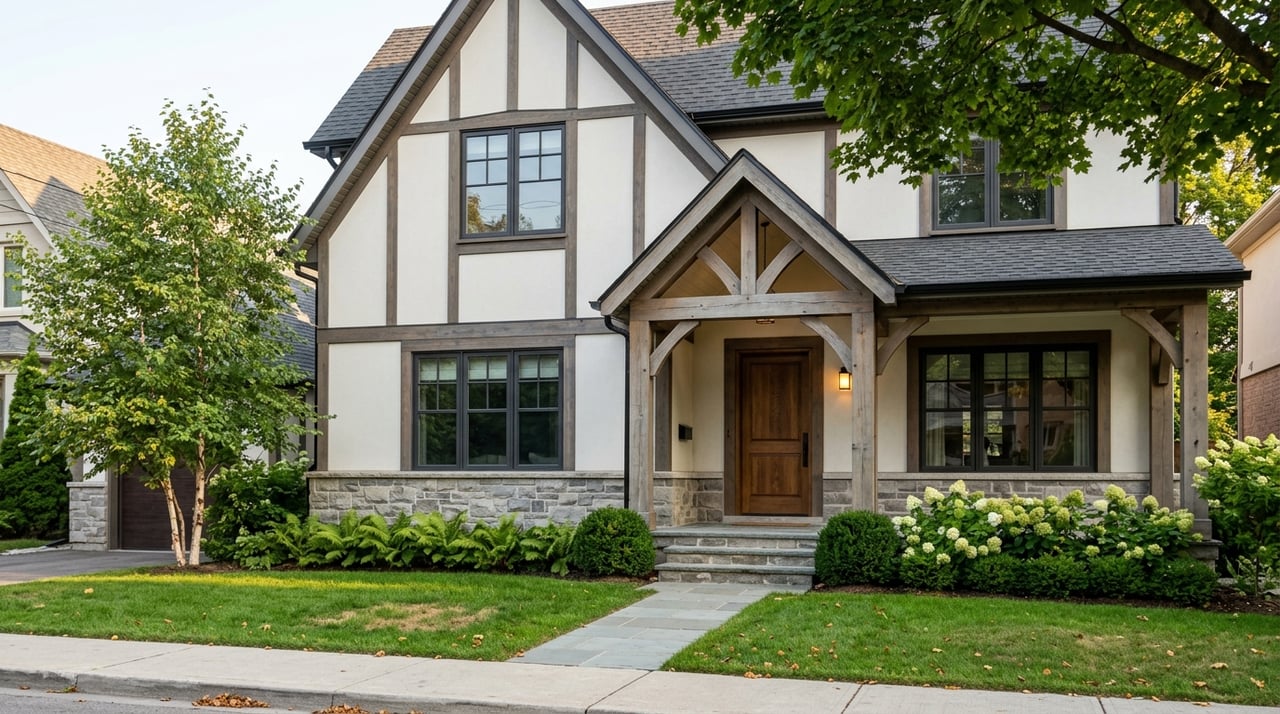
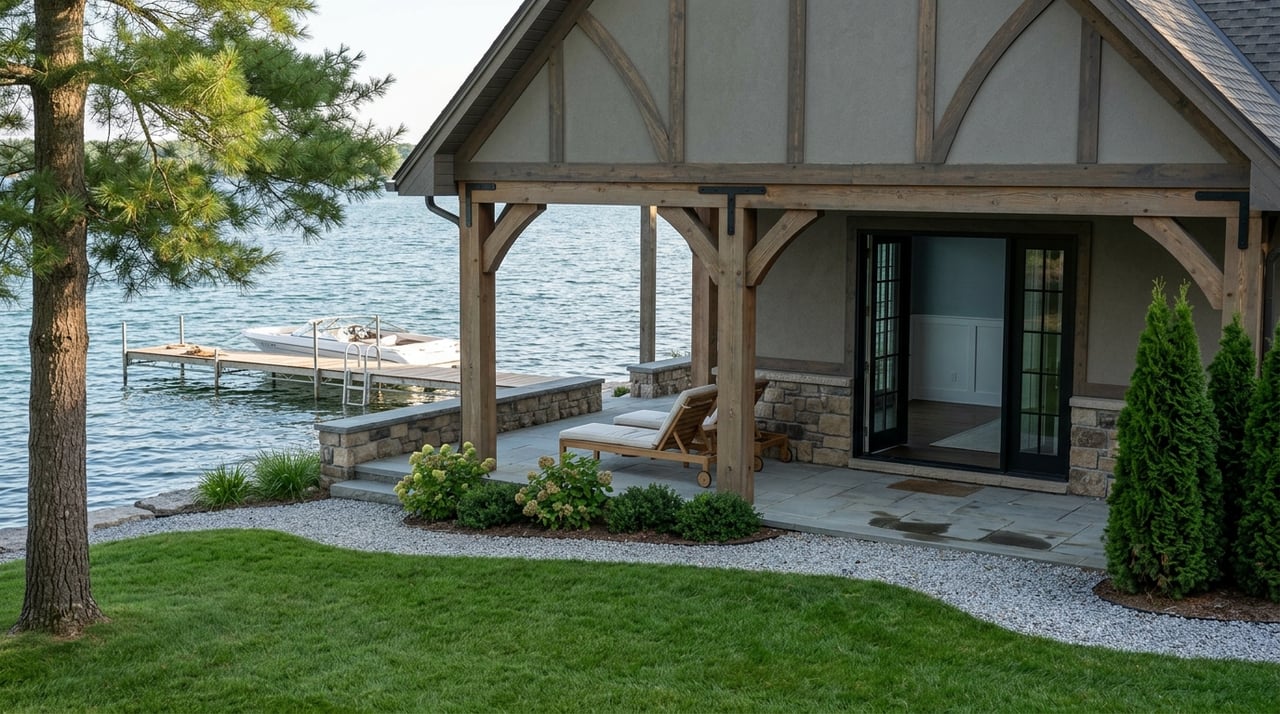
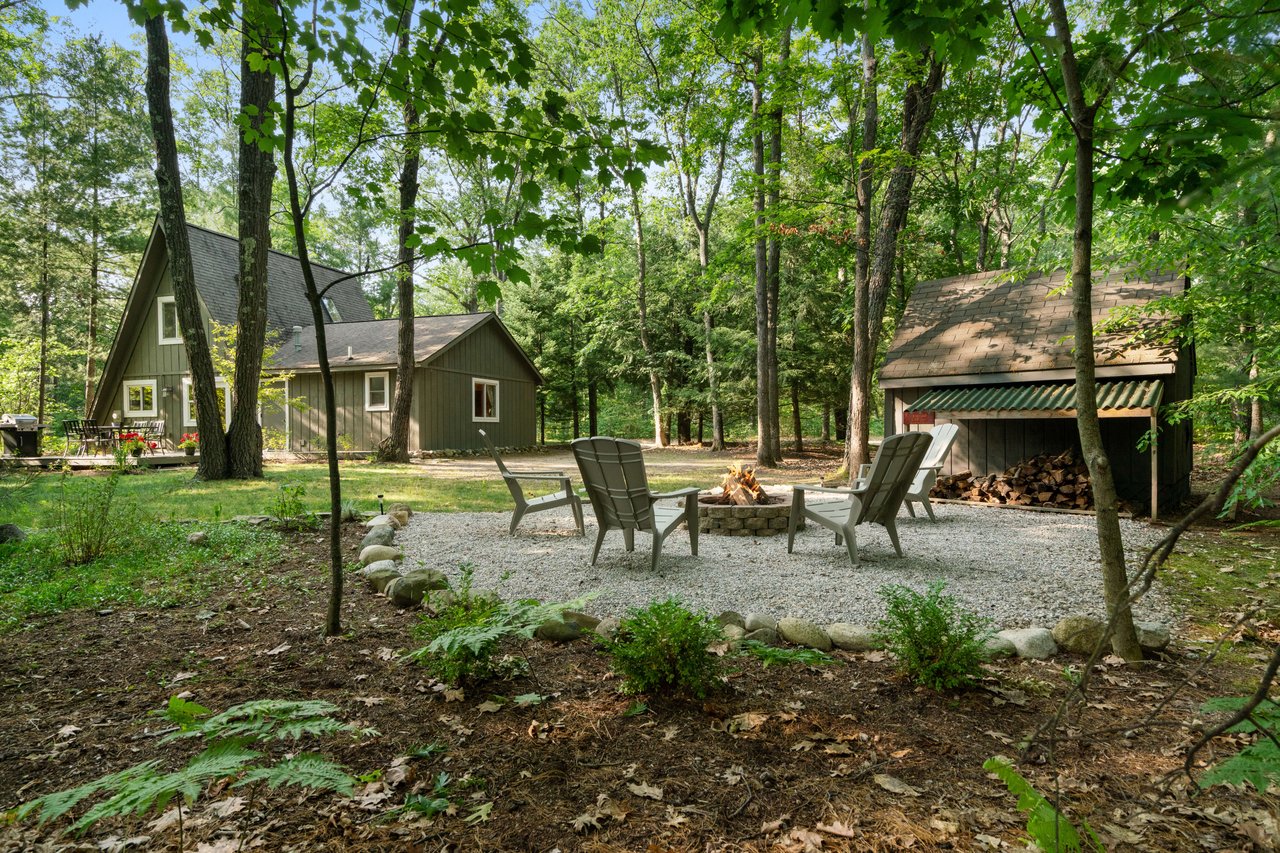
Housing on Old Mission Peninsula ranges widely, and that is part of its appeal. You will see:
As of early 2026, broader ZIP‑level data for 49686 shows a typical home value in the mid‑$300,000s, which reflects a mix of in‑town and base‑area properties. Neighborhood‑level reporting specific to the peninsula itself has recently landed in the high‑$800,000 range for median sales, with waterfront and custom estates often trading in the seven‑figure range. That split is normal here. The peninsula contains everything from smaller inland homes and condos to premium shoreline estates with sweeping views, so prices swing by location, acreage, and frontage. Your exact search criteria will drive the range.
Many peninsula homes, especially away from the base, rely on private wells and on‑site septic systems. Grand Traverse County regulates well and septic evaluations, and there is a key rule to know if you are buying near water. Effective January 1, 2026, the County requires a Time‑of‑Transfer evaluation for properties with wells or septic systems located within 300 feet of surface water. This can affect closing timelines and may add repair costs if a system does not meet standards. Review the County’s Time‑of‑Transfer evaluation details early in your process.
Broadband and cell coverage improve closer to the base of the peninsula, where fiber expansion from Traverse City Light & Power has been rolling out as part of the citywide FTTP build. Service further north is address‑dependent and varies by provider. If you plan to work from home or need strong upload speeds, confirm written, address‑specific service options during diligence. For a high‑level view of the buildout, see this overview of the Traverse City fiber expansion.
Summer is peak season. You will find kayaking and sailing on both arms of the bay, small‑boat activity around Bowers Harbor, and sunset drives along water‑hugging roads. Public beach access is limited to a handful of small township and state sites. Highlights include Haserot Beach on Old Mission Harbor, Mission Point Lighthouse Park and Old Mission State Park at the tip, and Bowers Harbor Park for trails and fields. Use the township’s park page to scout amenities and plan beach days at Peninsula Township Parks.
Fall brings harvest and local color. Many wineries host seasonal events and tasting experiences, which makes weekend plans easy without leaving the peninsula.
Winter can be long and snowy. Regional snowfall often tops 100 inches in a typical season, and you should expect regular plowing and winter road maintenance needs. For a sense of year‑to‑year variability, review the county’s published snowfall data. Winter also offers quiet trails, cross‑country skiing, and a slower pace that many residents value.
A few focused steps will make your purchase smoother and protect your plans:
Life on Old Mission Peninsula blends vineyard views, small‑town quiet, and quick access to Traverse City. Housing spans classic cottages to luxury estates, and pricing varies by frontage, view, and acreage. If you align with the peninsula’s rural feel and seasonal pace, you will likely find it rewarding year‑round.
If you are weighing a move or a sale, you deserve clear numbers and a plan built around your goals. For a private conversation about timing, pricing, and strategy, connect with the Lobenherz Real Estate Group. Request a complimentary strategy & valuation.
Stay up to date on the latest real estate trends.
203 Bridge St Charlevoix MI 49720