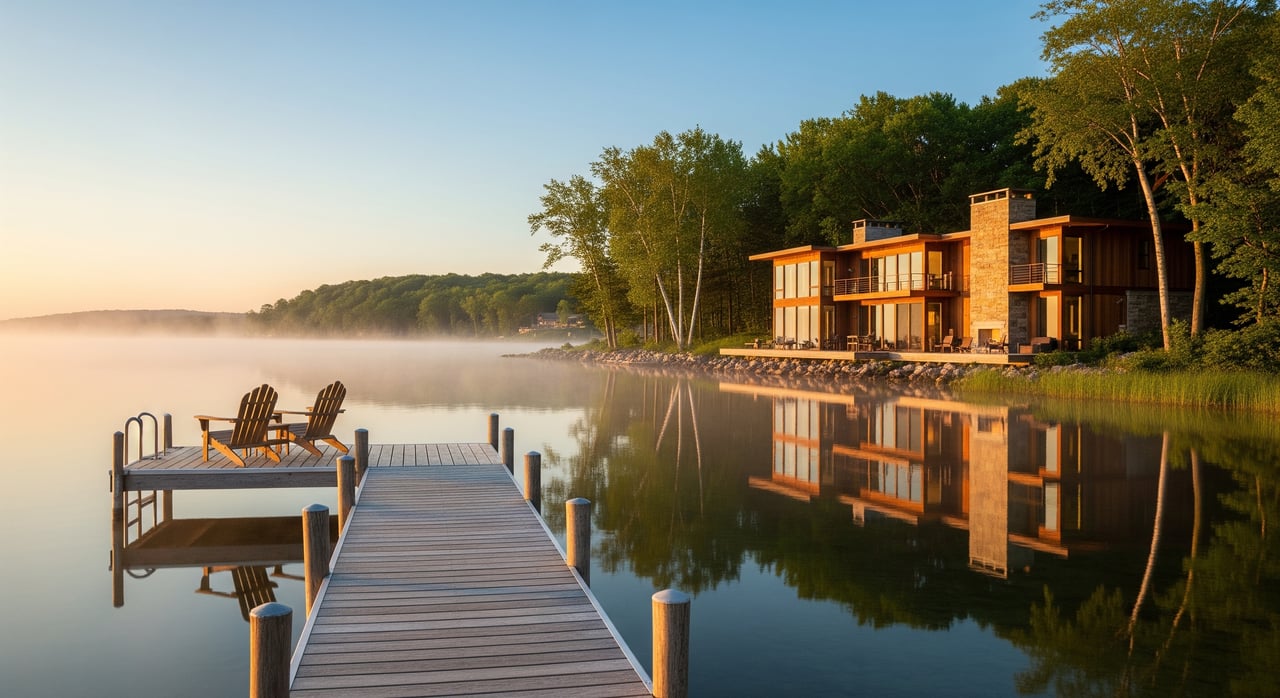
Harbor Springs Lakefront Living & Lifestyle Guide
February 5, 2026
February 5, 2026
What if your morning starts with a glassy bay, coffee in hand, and a short stroll to the marina? If you are exploring a second home or future retirement spot, Harbor Springs in ZIP 49740 blends small‑town ease with a true lake lifestyle. You want the romance of the water plus the practical details that make year‑round living or seasonal stays smooth. In this guide, you will learn how lakefront life actually feels, the seasonal rhythm, and what to know about ownership, utilities, permits and services. Let’s dive in.
Harbor Springs sits on Little Traverse Bay, an inlet of Lake Michigan in Emmet County. The water shapes daily life here, from marinas and beaches to waterfront dining. You are also close to regional hubs like Petoskey for expanded shopping and services. It is a compact, walkable place with a relaxed pace.
Expect a lively summer with visitors, boats and weekly community events. Spring and fall run quieter with great outdoor time and fewer crowds. Winter turns peaceful, with snow sports in the wider region and a core group of year‑round residents. This rhythm is a key part of the lifestyle decision.
Little Traverse Bay offers protected waters for boating, paddling and sailing. Summer is the main season for slips, launches and yacht or sailing club activity. Many lakefront homes feature private docks or quick access to marina services. If you plan to keep a boat in the water, account for storage and haul‑out each year.
The typical boating season runs from about mid‑May through October. Winter ice and shoreline movement limit in‑water structures in colder months. Most owners schedule winter storage, spring launch and fall haul‑out with local boatyards. Plan ahead since demand peaks in the shoulder seasons.
Availability of boat slips can be limited and sometimes tied to property ownership or marina waitlists. If a private dock matters to you, confirm local permitting and maintenance needs before you buy. Ask about shoreline type, water depth and exposure to wind or waves. These factors affect usability and upkeep.
Warm months are all about morning walks by the water, casual lunches outdoors and late‑day swims when the bay calms. You will find cafés, galleries and seasonal patios around town. Petoskey adds larger grocery and retail options just a short drive away.
You will see three broad lifestyle options in and around 49740. Each offers different tradeoffs for access, privacy and maintenance.
In‑town homes place you within an easy walk of shops, dining and the marina. Lots are smaller, and you gain municipal services like city water and sewer. Winter access can be easier with plowed streets and short drives for errands. It is a simple, social day‑to‑day setup.
Lakefront cottages and larger homes line the shoreline with varied frontage, slope and beach types. You may enjoy private boat access and big‑view sunsets. Many outlying parcels use wells and septic systems, so due diligence is essential. You trade a bit of convenience for the benefits of direct water access.
Planned or resort developments near Petoskey, such as golf‑oriented communities or neighborhoods with associations, offer amenities and HOA management. Rules and benefits differ by community. If association living appeals to you, review covenants and fees closely. Confirm rental policies and owner services.
Lakefront properties deliver a special lifestyle, and they come with specific responsibilities. Get clear on utilities, shoreline rules and insurance before you write an offer.
In‑town properties are more likely to have municipal water and sewer. Many lakefront parcels outside the city rely on private wells and septic systems. Ask for septic permits, inspection history and any replacement quotes as part of your due diligence. Also check internet and cell coverage by address if you plan remote work.
Shorelines change over time with water levels, storms and ice. If you plan a dock, seawall or any shoreline work, permits may be required. The Michigan Department of Environment, Great Lakes, and Energy handles much of the shoreline permitting. City and county zoning offices and, in some cases, the U.S. Army Corps of Engineers may also be involved.
Standard homeowner policies may not cover flood or shoreline damage. Review FEMA flood maps and speak with your insurance advisor about appropriate coverage. Taxes vary by township and school district, and waterfront assessments can be higher. Contact local treasurers or the Emmet County equalization office for current rates.
Rules for short‑term rentals vary by city, county and HOA. Some areas require registrations, inspections or collect transient rental taxes. Confirm local ordinances and association covenants before you underwrite any rental income. When in doubt, get written guidance from the appropriate office.
A second home or future retirement home works best with a plan for services and access. Think through travel, healthcare and seasonal maintenance early.
Road access is straightforward via state and county highways, with winter plowing a routine part of life. Pellston Regional Airport serves northern Michigan with seasonal routes. Cherry Capital Airport in Traverse City offers wider service, with many travelers connecting through Detroit or Chicago. Build extra drive time into winter travel plans.
For hospital and specialty care, nearby Petoskey is the regional hub. Make sure your providers and preferred hospital are within a drive time that fits your needs. If you will spend long stretches away, line up trusted local contacts for check‑ins and home care. Look to the Chamber and local agencies for reliable referrals.
Lakefront and seasonal homes need routine winterization for plumbing and heating systems. Arrange snow removal, shoreline upkeep and seasonal landscaping early. Demand for skilled contractors rises in spring and fall, so get on schedules well in advance. A local property manager can simplify vendor coordination.
The community’s identity shifts with the calendar. That change is part of the appeal for many owners.
This is the social, event‑heavy season. Expect live music, art shows, farmers’ markets and busy marinas. Outdoor dining and long evenings on the water define the mood. It is also the prime time to host family and friends.
Fall brings leaf‑peeping drives, quiet shoreline walks and crisp sailing days. Spring arrives with a gradual return to boats, bikes and outdoor gatherings. These shoulder seasons are ideal if you enjoy local life at an easy pace. They offer a nice blend of access and calm.
Winter is quiet and cozy, with a strong snow‑sports culture in the wider region. You will find a close‑knit year‑round community and less crowded restaurants and shops. Plan for road conditions, shorter days and the simple pleasures of a slower season. Many owners use winter to refresh and plan for the next summer.
Use this quick reference to stay organized as you explore properties.
If you love a summer‑forward lake culture, a relaxed town center and quiet winters, Harbor Springs can be a rewarding fit. In‑town living offers walkability and simplicity. Lakefront parcels deliver privacy and direct access to the bay, with more ownership planning required. With clear expectations and the right advisory team, you can enjoy the best of both worlds on Little Traverse Bay.
Ready to explore the market, compare neighborhoods and pressure‑test your plan for rentals or resale? Reach out to the Lobenherz Real Estate Group for a data‑driven conversation tailored to your goals.
Stay up to date on the latest real estate trends.
203 Bridge St Charlevoix MI 49720