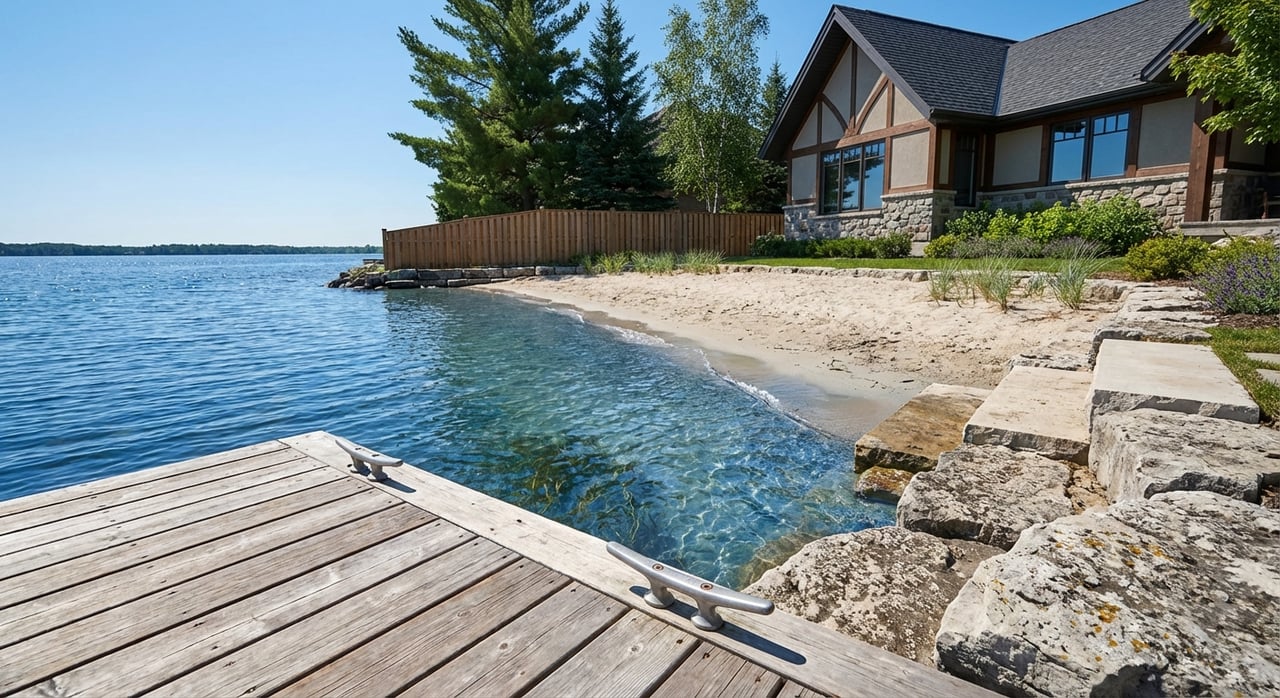
Serious Buyer’s Guide to Torch Lake Waterfront Homes
February 19, 2026
February 19, 2026
If you are serious about buying on Torch Lake, you already know the water is world class. What you may not know is how depth, shoreline rules, septic inspections, and weekend boat traffic can change your daily use and long-term value. This guide gives you a clear, practical path to evaluate properties in 49648 and greater Antrim County with confidence. You will learn how different stretches of shoreline feel, what you can and cannot build, and the exact due-diligence steps to protect your investment. Let’s dive in.
Torch Lake is long and deep, about 19 miles in length with roughly 41 miles of shoreline and more than 18,000 surface acres. Reported maximum depths vary by source, which reflects different measurement methods, but it is among Michigan’s deepest inland lakes. For current contours and verified figures, use the Tip of the Mitt Watershed Council’s Torch Lake resources and bathymetry updates. You can start with the Watershed Council’s Torch Lake summary page for a solid overview of size and depth context.
A common pattern along the shore is a sandy, shallow fringe that quickly transitions to a steep drop-off. Bottom sediments trend clean, with marl and sand dominating over organic muck. Sheltered pockets, lagoon-like areas near the Torch River outlet, and linear “sand-sucker” holes affect swimming, mooring, and aquatic plant presence. For parcel-level insight, review the council’s 2021 whole-lake aquatic-plant survey maps, which show where native and invasive plants are most likely to thrive.
Torch Lake is naturally low in nutrients and widely described as oligotrophic, which helps explain the exceptional water transparency. In recent decades, invasive mussels have increased light penetration and shifted some biological activity to the lake bottom. This makes watershed stewardship more important because even small nutrient increases, especially from failing septic systems, can harm long-term clarity.
If you value clear water, plan to join local best practices: regular septic maintenance, vegetated shoreline buffers, and minimal nearshore disturbance. Community groups actively monitor and educate residents on these topics. Learn more through the Watershed Council’s monitoring programs and local stewardship at the Torch Lake Protection Alliance.
Public boat launches are limited for a lake this size and parking can be tight on peak summer weekends. Common launch points include Eastport Landing to the north, Alden, the Clam Lake area, and the Aarwood access near the Torch River bridge. Expect congestion near the famous sandbar by the Torch River mouth, especially on holidays, when flotillas and food vendors draw crowds.
If you want quick access to the sandbar, the south end is convenient. If quiet mornings and low traffic matter more, you may prefer frontage away from the sandbar’s immediate approaches. Before you plan long routes between the connected chain of lakes, note that some passages, like the corridor from Lake Skegemog, include shallow areas and stump fields that call for careful navigation.
Shoreline properties are governed by township zoning, county permits, and state rules. Always check all three before you assume you can add a dock, regrade a bank, or alter vegetation.
Township shoreline buffers. As one example, Helena Township’s zoning requires a 25-foot shoreline greenbelt measured from the ordinary high water mark. It limits tree and shrub removal to no more than 30 percent of that buffer and caps land alteration within the buffer to 15 percent of the area. Land-use and soil-erosion permits are often required for work in this zone. Other Torch Lake townships have similar goals but different numbers and processes, so confirm the rules for the specific parcel with the zoning administrator. See the current Helena Township text for how these protections are written and enforced.
Docks, seawalls, and dredging. Michigan’s EGLE rules under Part 301 govern inland lakes and streams. Permanent docks, riprap or seawalls, dredging, and marina work typically need a state permit. Seasonal private docks are often exempt from Part 301, but you should still confirm status and local allowances. A 45 to 180 day review window is common for permits that do require a Joint Permit Application.
Septic inspections at time of transfer. Torch Lake Township requires well and septic inspections before residential property transfers. The ordinance also triggers targeted inspections for properties near water or those lacking permit records. Neighboring Milton Township has similar rules. These inspections can affect timelines and may require repairs before closing.
Private wells and testing. Michigan recommends annual testing for coliform bacteria and nitrates, and targeted testing for other analytes like arsenic or PFAS based on local risk. Require recent certified lab results in your offer and plan for independent sampling if records are old or missing.
Short-term rentals. Short-term rental policies and permits are set by each township. If rental income is part of your plan, verify current rules, registrations, occupancy limits, taxes, and parking requirements before you make an offer.
Key references:
North end, Eastport area. You often find more inshore sand, easy walk-in swimming, and access to the Eastport public launch. It is a good fit if you want shallow play water and a straightforward run toward the south.
Middle reaches, Alden and Clam Lake connections. You are close to village amenities and year-round services. Shorelines vary from more developed to protected parcels, and practical value comes from dock allowances, setbacks, and septic capacity that influence bedroom count and accessory options.
South end, Torch River and sandbar vicinity. This is the activity hub with the highest seasonal boat density. It suits boat-centric buyers who want fast sandbar access. If quiet is important, focus on pockets with lower traffic within this zone.
Slope and view tradeoffs. Bluff-top homes often deliver big-water views and privacy, but you trade some ease of water access. Flat or gently sloped parcels with sandy walk-in frontage command lifestyle appeal and can be highly competitive at resale. Frontage length, allowed dock configuration, and septic constraints typically explain price differences more than raw acreage.
Source context for these patterns appears across local lake guides and zoning materials, and is consistent with the Watershed Council’s mapping of nearshore features.
Use this as a practical sequence from first interest to closing.
Helpful references:
Key references:
On Torch Lake, a few fundamentals tend to drive value over time:
Risks that can undercut value include failing septics, inability to obtain permits for desired shoreline work, heavy seasonal traffic where you do not want it, and any documented water-quality declines. Several townships use or are considering stricter septic or shoreline rules, so plan for ongoing compliance and maintenance as part of your ownership model.
Ready to evaluate a specific property? Get a tailored acquisition plan and due-diligence roadmap that fits your goals. Connect with the team at Lobenherz Real Estate Group for a confidential conversation and request a complimentary strategy & valuation.
Stay up to date on the latest real estate trends.
203 Bridge St Charlevoix MI 49720