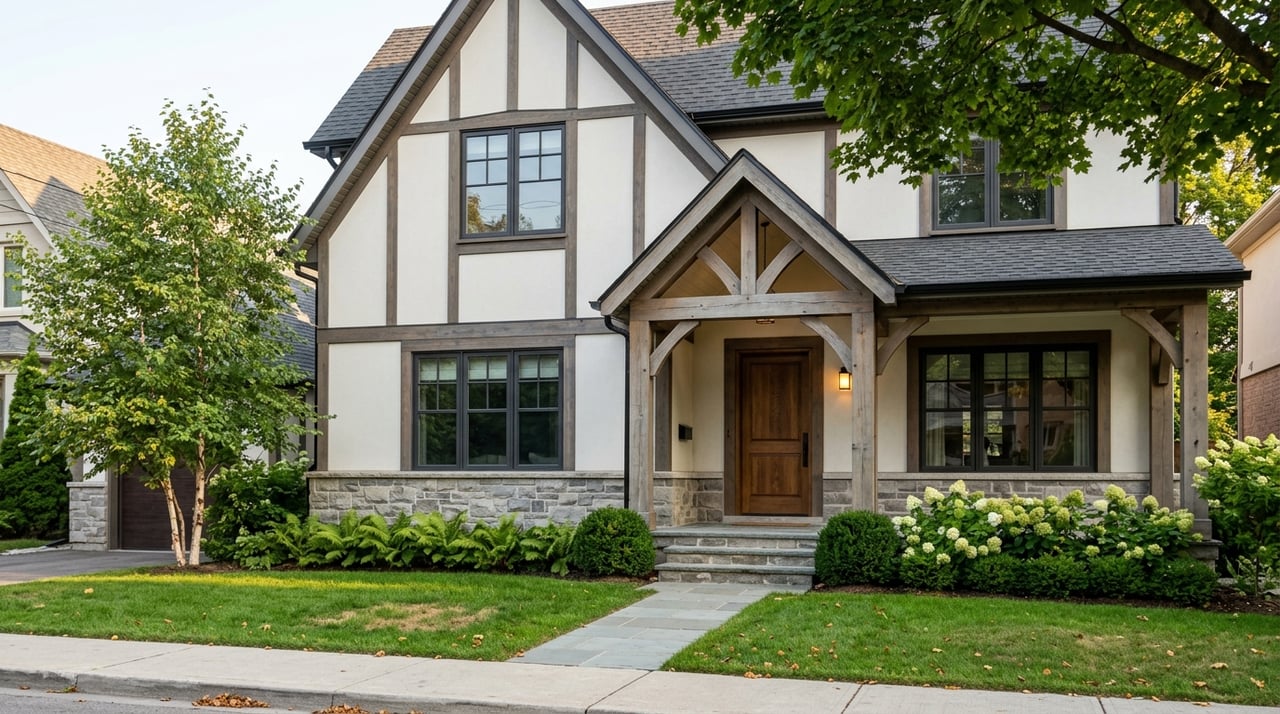
Choosing Traverse City Bayfront Or Downtown Homes
June 11, 2026
June 11, 2026
If you are torn between a bay view and a downtown address in Traverse City, you are not alone. Many buyers love the idea of living near the water, but they also want easy access to restaurants, trails, and daily conveniences. The good news is that Traverse City offers both, though each option creates a very different day-to-day lifestyle. This guide will help you compare bayfront and downtown homes in Central Traverse City so you can focus on the setting that fits you best. Let’s dive in.
Traverse City sits on both East Grand Traverse Bay and West Grand Traverse Bay, with the Boardman River running through downtown. The downtown core includes more than 200 locally owned businesses and more than 50 restaurants, which gives the area a strong year-round center of activity.
The housing market also shows why location matters here. As of spring 2026, citywide median pricing sits around the low-$460,000 range, but downtown, Central, and bayfront homes do not move as one uniform market. In other words, where you buy in Traverse City can shape both your lifestyle and your budget.
If you picture shoreline living with easy access to downtown, West Grand Traverse Bay is often the closest match. Clinch Park runs along more than two miles of public bayfront and includes a large beach, splash pad, concessions, marina access, and the TART Trail.
This area supports a true walk-to-water lifestyle. The city’s bayfront planning also emphasizes better shoreline walkability and stronger connections between the waterfront, downtown, and nearby neighborhoods. For many buyers, that blend of water access and urban energy is the main draw.
East Grand Traverse Bay offers a different rhythm. East Bay Park includes a beach, public restrooms, a play structure, shallow water at the edge, and a boat launch.
That mix tends to attract buyers who want their water access to feel more park-centered and activity-focused. If your ideal day starts with time outside and easy access to the bay, East Bay may feel like the better fit.
One of the biggest mistakes buyers make is treating all waterfront homes as part of one price tier. Current bayfront inventory shows a much wider spread, with examples ranging from about $425,000 to $1.1 million condos and estates priced around $3.85 million.
That range reflects major differences in frontage, privacy, views, property type, and whether water access is private or shared. A bayfront condo and a private waterfront estate may both be called waterfront, but they offer very different ownership experiences.
If boating is part of your plan, look closely at how a property supports that lifestyle. Clinch Marina includes a boat launch and seasonal transient slip options, which can make west-bay living especially convenient even if a home does not come with a private dock.
This is an important distinction because not every bayfront purchase includes the same level of direct water use. Before you buy, it helps to confirm whether access is private, shared, or tied to nearby public amenities.
Waterfront living sounds peaceful, but some shoreline areas near the urban core see heavy seasonal activity. The city has noted capacity limits and user conflicts along parts of the bayfront trail corridor.
That does not make bayfront living less appealing, but it does mean you should think honestly about your tolerance for summer crowds, trail traffic, and public beach activity. For some buyers, that energy is part of the appeal. For others, it may feel less private than expected.
If your priority is ease, downtown Traverse City stands out. The city provides more than 3,000 vehicular parking spaces and more than 125 bicycle parking locations downtown, and the area includes metered spaces, parking structures, and wayfinding systems.
More importantly, downtown puts everyday needs close at hand. With more than 200 locally owned businesses and over 50 restaurants, it offers one of the strongest convenience-driven lifestyles in Northern Michigan.
Downtown and nearby neighborhoods benefit from stronger mobility options than many waterfront settings. The TART in Town Trail connects key places including Clinch Park, the marina, Bryant Park, F&M Park, and the Village at Grand Traverse Commons.
For buyers who want to rely less on their car, that network matters. It supports a lifestyle built around walking, biking, and shorter day-to-day trips.
For close-in residential living, Central is one of the most compelling options. The city’s master plan indicators show Central with 100% transit access, 100% food access, 100% healthcare access, and 100% park access, along with a Walk Score of 88 and a Bike Score of 95.
That makes Central attractive if you want a residential feel without giving up proximity to downtown amenities. It often appeals to buyers who want a balance between convenience and neighborhood character.
Old Towne offers another nearby option with a distinct identity. The city describes it as a historically mixed-use transition area between denser downtown blocks and single-family neighborhoods, with many homes built between 1880 and 1930.
If you are drawn to older homes and established streets, Old Towne may deserve a closer look. It can offer character and a close-in location, though it differs from both the waterfront and the downtown core.
In Central Traverse City, property style is only part of the decision. The city has three designated historic districts: Boardman, Central, and Downtown. If a home is in one of these districts, certain exterior changes may require review and a historical preservation permit.
That does not mean ownership is difficult. It simply means you should understand the rules before planning renovations, exterior updates, or design changes. Buyers who value flexibility should check this early in the process.
Parking deserves more attention than many buyers first give it. Downtown meter parking is enforced Monday through Saturday from 8 AM to 6 PM, and overnight rules vary by season. The city also operates a Residential Parking Program on qualifying blocks.
If you expect easy curb parking for multiple vehicles, frequent guests, or regular second-home visits, verify parking conditions before you commit. In close-in Traverse City neighborhoods, parking is a real lifestyle factor, not a small detail.
The easiest way to frame this decision is water-first versus convenience-first. Bayfront buyers often prioritize views, beach access, boating, and a strong second-home feel. Downtown and Central buyers often prioritize walkability, dining, trails, errands, and year-round ease.
Neither choice is better across the board. The right fit depends on how you want your average day to feel, especially outside peak summer months.
| Lifestyle Priority | Bayfront Homes | Downtown/Central Homes |
|---|---|---|
| Water access | Stronger | Varies by location |
| Walkability to dining and shops | Limited to select areas | Stronger |
| Boating convenience | Often stronger | Usually secondary |
| Trail access | Strong in some waterfront areas | Stronger overall |
| Historic home character | Varies widely | More common |
| Parking ease | Depends on property | More likely to require planning |
| Seasonal activity | Often higher near public waterfront | Steady downtown activity |
Pricing helps tell the story. Recent sale data places Downtown Traverse City around a $635,000 median sale price and Central around $607,000, compared with roughly $460,000 citywide. Old Towne sits lower, at about $366,000.
Active listings can also paint a different picture than recent sales. Realtor.com’s March 2026 snapshot placed Downtown Traverse City at a much higher median listing price of $1.339 million, which suggests asking prices in the core can run well above closed-sale medians.
Inventory is another part of the equation. March 2026 data showed 44 homes for sale in Downtown Traverse City and only 4 in Central, compared with 529 citywide. That means if you are focused on close-in or waterfront living, timing and preparation matter.
If you are still deciding, start with a few practical questions:
The clearer your answers, the easier the search becomes. In Traverse City, the best choice usually comes down to your daily rhythm, not just the view from the window.
If you are weighing a waterfront purchase, a downtown home, or a close-in historic property, a clear local strategy can save time and help you focus on the right opportunities. The team at Lobenherz Real Estate Group brings a high-touch, market-informed approach to Northern Michigan real estate, with guidance tailored to lifestyle goals, pricing strategy, and long-term value.
Stay up to date on the latest real estate trends.
203 Bridge St Charlevoix MI 49720